
A 3PL manages 20+ clients with Flowtrack
How a logistics provider in Mexico deployed Flowtrack for 250 users with complex multi-client requirements including pick-to-light, kitting, and production.
Founded in 2012 by Simon Bibeau, Les Services Système D takes on, from its Bois-des-Filion facility, the operations its customers would rather not run themselves.
Its customers include major automotive manufacturers, cosmetics companies and chemical industries. In those sectors, lot traceability is not negotiable.
For its first years, the company managed stock by hand. Movements were written on paper, then transcribed into an Excel file. The system worked and the company grew on it.
But it always produced a picture of the past. Inventory was accurate as of the last entry, not as of the moment you looked at it.
Every new customer and every lot to trace added transcription without adding capacity. And for a logistics provider, the inventory record is not an administrative tool. It is the product being sold. The customer hands over their goods and buys back a promise: they are here, they are the right ones, they are traceable.
Billing follows the same logic. An operation that was never recorded is an operation that was never invoiced.
Two constraints remained, the kind most WMS projects ignore: a small team and a limited budget.
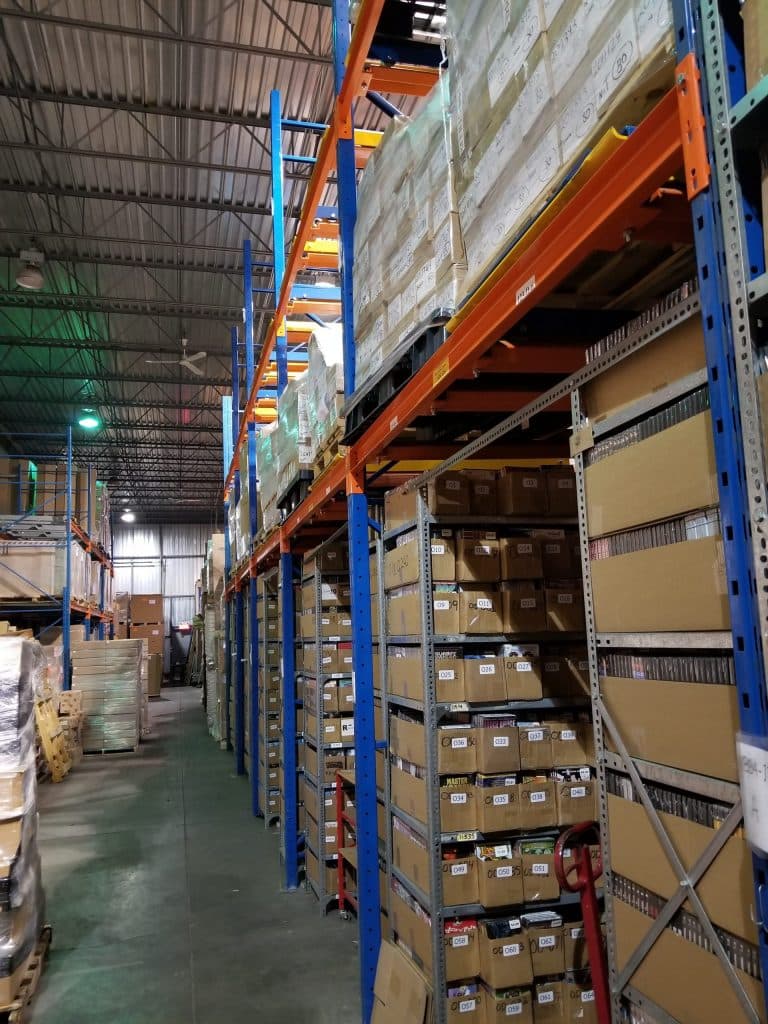
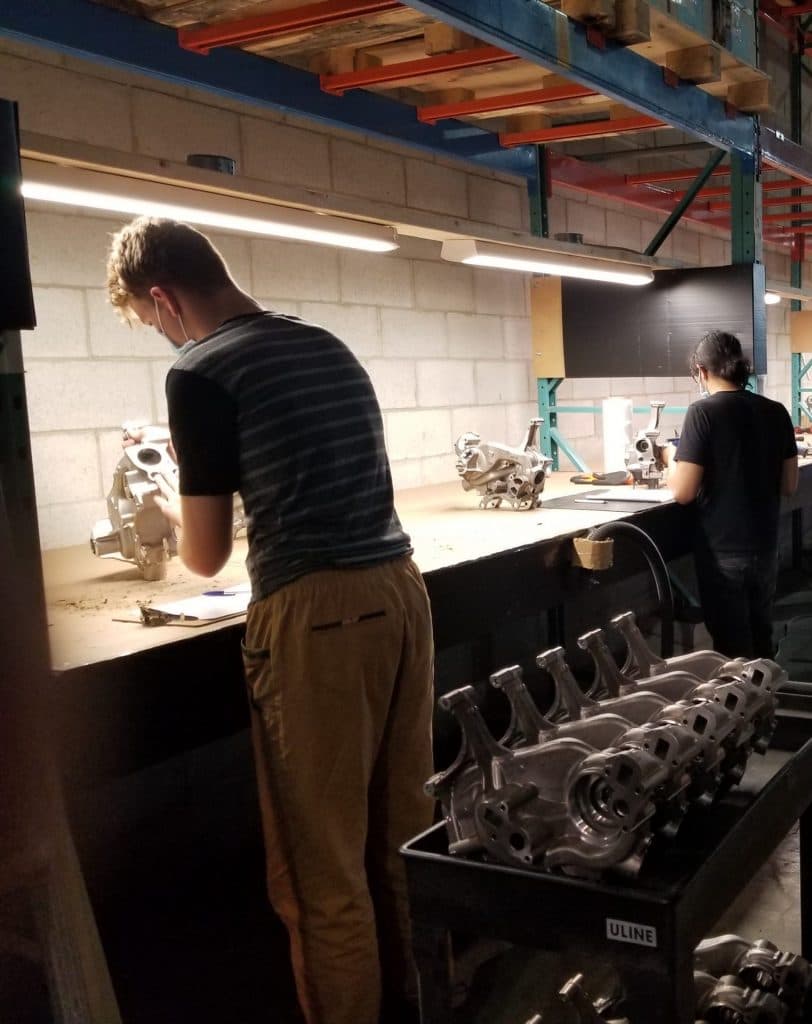
Flowtrack was chosen for three concrete reasons: its simplicity, its cost and its flexibility. The right question was not which WMS was best on the market, but which one a company of this size could deploy and keep alive day to day.
GCL mapped the real flows before configuring anything, then separated two families of transactions:
The second workstream was the conversation between the WMS and the ERP. That point is what determines whether the WMS becomes the single source of truth, or a second silo to reconcile every month.
Training and support ran through the entire implementation. It is the most demanding aspect of a project like this, and it is not technical: for a team used to paper, real time changes the gesture of every working day.
“We wanted to give our customers the same level of rigour they would get managing their own stock. As we grew, that became impossible to hold by hand. Today our customers see their inventory in real time, and we invoice exactly what we did.”
Simon Bibeau, President and Founder
Les Services Système D inc.
How a logistics provider in Mexico deployed Flowtrack for 250 users with complex multi-client requirements including pick-to-light, kitting, and production.
How a logistics provider digitalized receiving, put-away, picking and shipping, then gave its customers direct access to their own inventory.